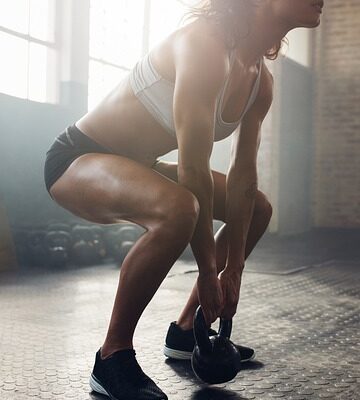
Learn the advantages of inner-thigh exercises for increasing strength and mobility.
The inner thighs are a collection of five muscles in your legs. They are the gracilis, obturator externus, adductor brevis, adductor longus, and adductor magnus. They are in charge of moving your legs toward your body’s midline.
Whether you’re lunging to the side to return a difficult forehand in tennis or lowering into a wide squat to pick up trash, your inner thighs are an important muscle group for daily functions.
While the inner thighs are important for moving securely and efficiently, you may not know how to strengthen them beyond the standard hip adductor machine at the gym.
The Advantages of Inner-Thigh Exercises
Exercising the hip adductors is an often overlooked and neglected element of a workout regimen. Weak inner-thigh muscles can cause problems (such as a pulled groin) while moving laterally or having tight hip flexors.
So, training your inner thighs is an important step in injury prevention and pain-free movement. The inner thigh muscles (adductors) are important for lower body strength and hip injury prevention.
Furthermore, inner-thigh exercises enhance lower-body and pelvic floor stability, which can help avoid low back discomfort.
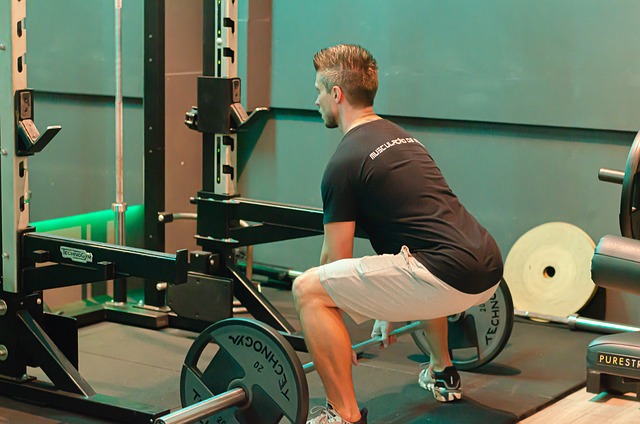
Here’s how it’s done: Your hip abductors and adductors help maintain (keep) your pelvis in position, which in turn supports your lower back. A weak pelvic floor has been linked to low back pain, according to research. So, strengthening your inner thighs is the first step toward establishing a healthy pelvic floor foundation and avoiding back pain.
Best Inner-Thigh Exercise Tips
While the hip adductor machine may help you with your inner thigh training at the gym, it should not be your sole option. The machine for the hip abductor is designed for isolation exercise, which means that it trains only one muscle group and one joint at a time.
A well-balanced training program requires your muscles to work in a variety of patterns and ranges of motion; thus, the more inner-thigh exercises you have, the stronger and more balanced your muscles become.
The 12 Best Inner-Thigh Workouts
Tang’s inner-thigh workouts will help you avoid injury, move laterally, and strengthen your leg muscles. Most of them don’t require any equipment, so you may work out this underutilized muscle area whenever and whenever you want.
How to incorporate inner-thigh exercises into your training routine: These inner-thigh exercises can be done as a stand-alone workout by performing 8 – 12 reps of each movement, repeating the circuit 2 – 3 times. Alternatively, pick your favorite pair of exercises and incorporate them into your regular leg-day program.
Are you ready to test your hip adductors and strengthen your lower body? Watch and discover how to strengthen your inner thighs so you can easily bend, lunge, and move.
Lateral Lunge
This inner-thigh exercise stretches your groin and forces your muscles to perform in the frontal plane of motion. A lateral lunge can also be used to rectify muscular imbalances by emphasizing your weaker side.
A. Stand with your hands clasped in front of your chest and feet together.
B. Take a large step to the right, sink your hips back, and bend your right knee to lower into a lunge. Maintain a straight but not locked left leg with both feet facing forward.
C. Straighten the right leg by pushing through the right foot, then step the right foot next to the left and return to the beginning position. Repeat on the other side.
Sumo Squat
Why it works: The sumo squat’s wide stance targets your inner-thigh muscles, and it’s also a complex exercise, which means it works muscle groups and joints — in this case, the glutes, hamstrings, and quads.
A. Stand with your toes turned out with your feet a little bit wider than the width of your shoulders.
B. Sit back into your hips and bend your knees to drop until your thighs are parallel or almost parallel with the floor, keeping your chest up and your back from rounding.
C. Exhale and press your feet together to straighten your legs and return to standing.
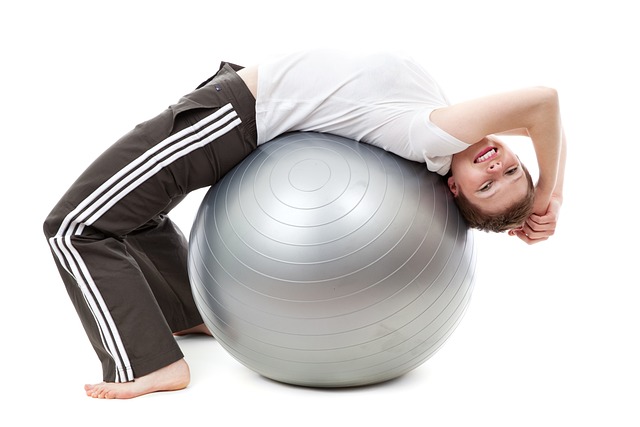
Narrow Squat with a Pilates Ball
Why does it work? This inner-thigh training move is subtle, but it packs a punch. Placing a Pilates ball between your thighs forces your adductor muscles to contract and engage in order to maintain the ball in place.
A. Place your right hand lightly on a sturdy chair or countertop, about a forearm’s distance away. (Alternatively, make the motion without anything to help balance to make it more difficult, as demonstrated.) Step with your feet hip-width apart, and your toes pointed straight front. Insert a soft, tiny ball (or similar-sized pillow) between the inner thighs, right above the knees.
B. Lift heels, balancing on balls of feet, with hand(s) clasped in front of the chest. Bend your knees and lower an inch while keeping your back straight (picture your back sliding down an imaginary wall). Keep shoulders stacked over hips, hips stacked over ankles, and core firm as you press your inner thighs into the ball.
C. Raise your hips again, squeezing the ball with your inner thighs. Repeat by lowering an inch.
Lunge Curtsy
Why it works: The curtsy lunge stimulates your inner thighs as well as your glutes (particularly the gluteus medius) as your lunging leg struggles to stabilize your body while stepping behind your standing leg.
A. Stand with your feet slightly apart and your hands in front of you.
B. Keeping your weight on your left foot and your hips square, take a large stride back, crossing behind your left leg with your right.
C. Bend your knees slowly and lower your body until your left thigh is parallel to the ground and both knees are bent at approximately 90-degree angles.
D. Exit the lunge by pushing through the left heel and bringing the right foot back next to the right, returning to the beginning position.
Scissor Legs Plank
Why does it work? The in-out movement of the inner-thigh workout forces your arms, chest, core, and glutes to engage.
A. Begin in a high plank position, palms on the floor, shoulders stacked over wrists, hips aligned with shoulders, and each foot on a small towel, paper plate, or gliding disc.
B. While keeping your upper body firm, start your feet apart as wide as possible.
C. Squeeze your inner thighs slowly to bring your feet back together.
Lateral Lunges Slides
Why does it work?
A. Place a folded towel, paper plate, or gliding disc (as indicated) under the right foot. Start by bending your knees into a half-squat position with your hands clasped in front of your chest.
B. With your weight mostly on your left leg, stretch your right leg and move your right foot out to the right side. The left leg remains in a static squat position, with the left knee bent at a 90-degree angle and stacked over the left ankle.
C. Squeeze both inner thighs and press into the right foot to bend the right leg and drag the disc back into starting position.
Side-Lying Double Leg Lift
Why does it work? The restricted range of motion in this isolated action makes it a suitable alternative for persons with very weak inner-thigh muscles or those coping with a groin injury. Furthermore, this inner-thigh exercise is simple to master and can be performed in almost any place.
A. Lie on your right side, fully extended right arm and head resting on the right biceps. Place your left hand on the floor with your arm bent in front of your chest to assist in stabilizing your body. Extend both legs long, feet together, with the left leg stacked over the right. This is your starting point.
B. Lift both legs about 6 inches off the ground by pressing the right leg up toward the left leg. To return to the beginning position, hold for a count before releasing.
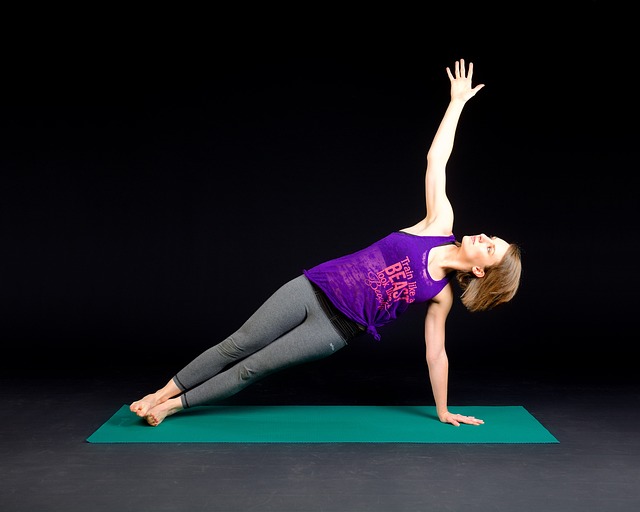
Reversed Clamshells
Why it works: The fact that this inner-thigh workout never gets boring is part of what makes it so effective. You will realize you need to ‘clamp’ down in the correct way due to the roundness of the ball, which makes you focus on the inner thigh.
A. Place a small Pilates ball (or a pillow of equivalent size) between your thighs. Lie on a mat or the floor on your right side with your legs bent and stacked in front of your torso. The right arm is fully extended, and the head is resting on the right biceps. Place your left hand on the floor with your arm bent in front of your chest to assist in stabilizing your body. This is your starting point.
B. Inhale, then forcefully press the left knee against the ball on the exhalation. Hold for three counts before inhaling to release.
Circles on the inner thighs
Why it works: According to Elizabeth Ordway, a certified Pilates instructor and the founder of Movement Studio in Los Angeles, this is the ideal inner-thigh workout for a lot of individuals since it’s a safe and effective way to increase strength during pregnancy. “Imagine drawing circles on the back wall, lengthening the inner thigh while keeping your abs tight and your torso stable,” she says.
A. Lie on your right side, fully extended right arm and head resting on the right biceps. Place your left hand on the floor with your arm bent in front of your chest to assist in stabilizing your body. Bend the left leg and place it firmly on the mat in front of the right leg. This is your starting point.
B. Lift right leg 3 to 6 inches off the ground, pointing right foot.
C. With the right leg, trace a circle in a clockwise fashion. Repeat for a predetermined number of reps or duration, then move to trace a counterclockwise circle.
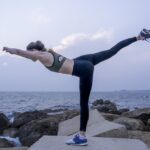
From the Reverse Lunge to the Single-Leg Deadlift
Why does it work? Have you ever noticed that you can balance better on one leg than the other? This muscular imbalance is very common, and using this lunge-to-deadlift combo to target your inner thigh muscles will help you improve your stability on your weaker side.
From the Reverse Lunge to the Single-Leg Deadlift
Instructions
- Stand with your feet shoulder-width apart and your arms by your sides. This is your starting point.
- Contract your abs and draw your shoulder blades down and back. Bend your right knee slightly and shift your weight to the right.
- Return hips to lower chest toward the floor in front of legs, elevating left leg off the floor and extending it behind the body, reaching left arm long for balance. Lower your body until your hips are fully pushed back, and your back is as parallel to the ground as possible.
- In a reverse lunge, keep your chest up and push through your right heel and lower your left foot to the floor. Keep your knees bent at 90 degrees angle, with the left knee a few inches above the ground.
- Return to the beginning posture while squeezing your glutes at the top.
- performing 8 – 12 reps
Body weight Lunges
All standing single-leg exercise performed with a full range of motion (thighs below parallel) is great for your inner thighs. You also get to train your glutes, hamstrings, quadriceps, calves, and core.
A. Stand with your feet about a foot apart and your arms by your sides. This is your starting point.
B. With the right foot, take a large stride forward (approximately 3 feet) and drop into a lunge until the front thigh is parallel to the floor while keeping both knees bent at 90-degree angles. The left knee is an inch or two off the ground.
C. Push off with your right foot to return to the starting position.
Piqués on the inside of the thigh
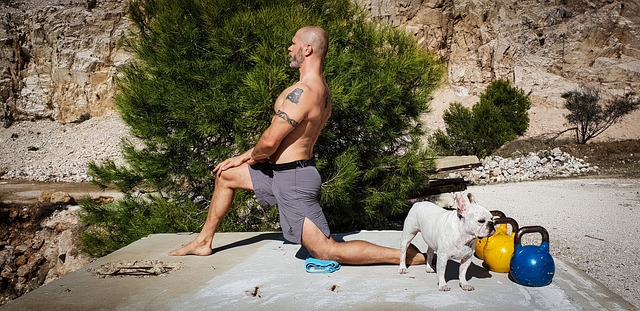
Why it works: Teri Jory, Ph.D., an ACE-certified trainer, highly recommends this ballet-inspired inner-thigh exercise, which strengthens and tones your inner thighs while simultaneously strengthening extension and flexion in your opposite hip. This allows your hips and knees to flex, rotate, and elongate as they should without pain or harm.
A. Stand with your feet parallel and shoulder-width apart, hands on your hips, or on a chair or wall for support if necessary. This is your starting point.
B. Extend your right leg and cross it over to your left side, gripping your inner thighs and twisting your heel upward.
C. Raise the right foot as high as possible and quickly touch the right toes to the ground (if feasible, merely tap the pinky toe on the floor while preserving internal rotation).
To Conclude
Depending on your fitness objectives and abilities, you can perform these inner-thigh exercises one to three times each week. To limit injury risk and improve functional strength, keep your core engaged and your back flat during each of these exercises.
If you’ve experienced groin or hip issues in the past, consult a doctor before attempting these workouts.